Imagine this: It’s a sweltering afternoon in Visakhapatnam, the salty breeze from the Bay of Bengal mixing with the hum of construction cranes. A decade ago, I stood on that very shore during a family road trip, marveling at how this port city felt like India’s hidden gem—bustling yet untouched. Fast-forward to today, and that gem is about to sparkle brighter than ever. Google just dropped a bombshell: a $15 billion splash into an AI data centre hub right there in Vizag, Andhra Pradesh. It’s not just numbers on a spreadsheet; it’s a bet on India’s digital soul, promising to supercharge everything from farmers’ apps to fintech dreams. As someone who’s watched India’s tech scene evolve from dial-up days to AI frenzy, this feels like the plot twist we’ve all been waiting for.
The Announcement That Shook the Subcontinent
On October 14, 2025, at a glitzy event in New Delhi, Google Cloud CEO Thomas Kurian unveiled the plan with the flair of a Bollywood premiere. This isn’t pocket change—it’s Google’s heftiest commitment to India yet, dwarfing the $10 billion pledge from 2020. Over five years, from 2026 to 2030, the funds will birth a gigawatt-scale AI powerhouse, blending data centres, clean energy, and fibre optics. Sundar Pichai, Google’s CEO and proud son of Madras, even hopped on a call with PM Narendra Modi to toast the news. It’s the kind of moment that makes you grin—big tech betting big on home turf, turning coastal whispers into global roars.
Breaking Down the $15 Billion Breakdown
At its core, the investment splits into three pillars: a sprawling data centre campus kicking off at 1 gigawatt (with plans to scale higher), renewable energy setups to power it sustainably, and a beefed-up subsea cable gateway linking Vizag to the world. That’s enough juice to light up a small city, all tuned for AI’s voracious appetite—think training models that crunch petabytes overnight. Early buzz pegged it at $10 billion, but Google’s upped the ante, eyeing 188,000 jobs and a ripple of ancillary growth. It’s emotional, really; this isn’t just infrastructure, it’s a lifeline for young engineers dreaming beyond call centres.
Why Visakhapatnam? The Coastal Tech Magnet
Nestled in Andhra Pradesh, Vizag’s port status and government incentives—like subsidised land and power—made it a no-brainer. Unlike landlocked hubs, its seaside spot screams subsea cables, slashing latency for global data flows. Chief Minister Chandrababu Naidu calls it a “new chapter,” and honestly, after his government’s 15-month push, you can’t blame the hype. I chuckle thinking of my last visit—beaches packed with kite flyers, now set to host silicon valleys. It’s a reminder: tech blooms where opportunity meets ocean views.
What Is an AI Data Centre, Anyway?
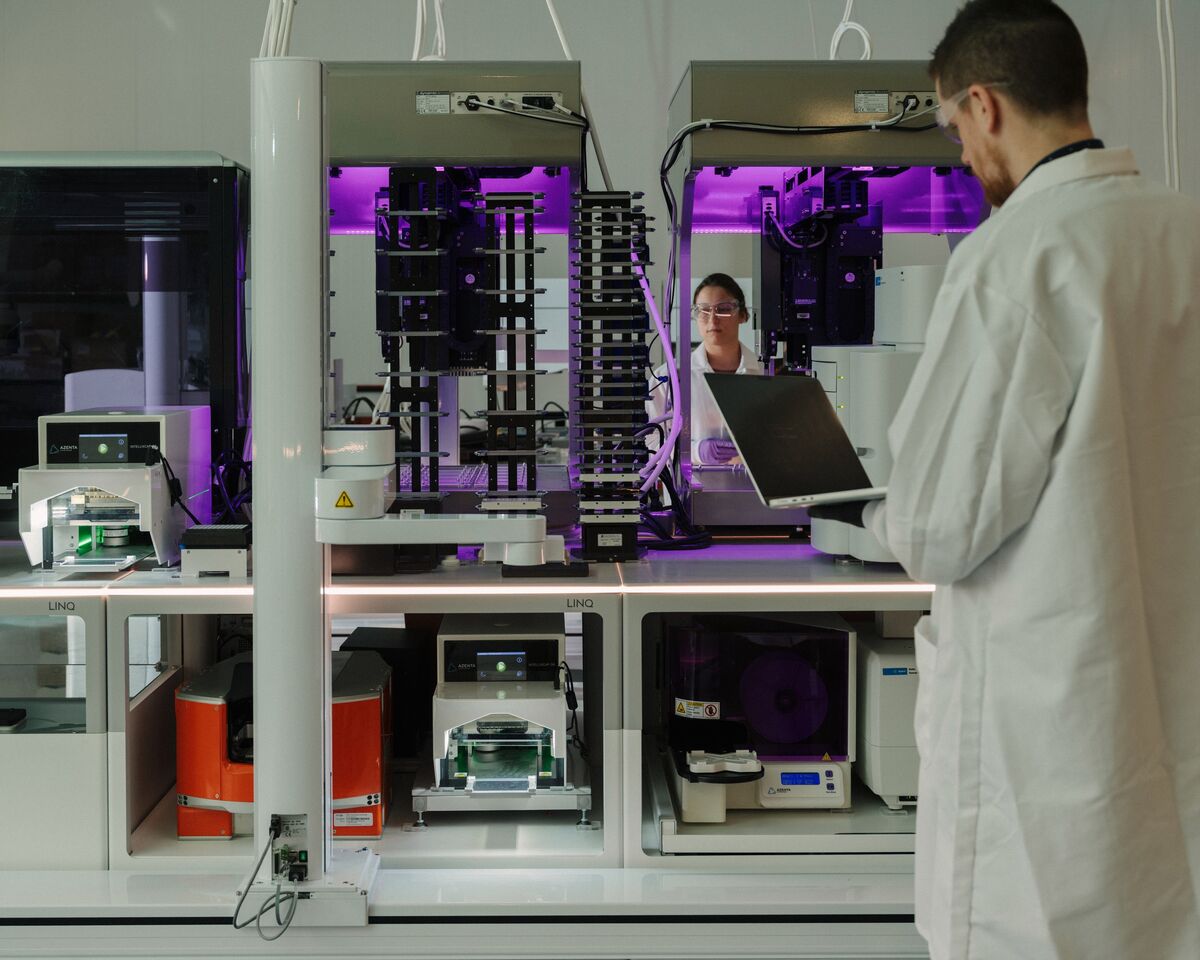
Picture a massive, humming warehouse that’s part supercomputer, part eco-fortress—rows of racks packed with GPUs slurping electricity to birth chatbots and crop predictors. Unlike old-school servers, AI data centres are beasts optimized for parallel processing, linking thousands of chips for tasks like image recognition or language translation. Google’s Vizag hub will tap into this, feeding India’s 900 million-plus internet users with low-latency magic. It’s the backbone of the AI revolution, turning raw data into decisions that save lives or boost yields.
The Tech Under the Hood
These centres aren’t plug-and-play; they’re engineered marvels with liquid cooling to tame heat demons and redundant power to dodge blackouts. In Vizag, expect NVIDIA-grade hardware synced to Google’s Tensor Processing Units, all under one roof for “gigawatt-scale compute.” Fun fact: One such setup could train an AI model in hours what once took weeks—handy for, say, predicting monsoons. If you’ve ever waited ages for a Google search, this is the upgrade story we all need.
Sustainability: Powering the Future Without Frying the Planet
Google’s not skimping on green creds; $2 billion-ish will juice up solar farms and storage batteries, aiming for carbon-neutral ops. Data centres guzzle 1-2% of global electricity, but here, it’ll feed into India’s grid with renewables. It’s a nod to the emotional side—my uncle, a solar installer in Tamil Nadu, would beam at this, knowing his work scales nationally. Light humor: No more “AI ate my power bill” jokes for Andhra folks.
Partners in Prime: Adani, Airtel, and the Local Heroes
No solo acts here—Google’s roping in AdaniConneX for the build and Bharti Airtel for fibre wizardry. Gautam Adani’s crew handles the heavy lifting, while Airtel lays the digital highways. It’s a trifecta: American innovation meets Indian muscle. Andhra’s Nara Lokesh, after a year of “relentless effort,” sealed the MoU with Union Ministers in tow. Relatable? Absolutely—like that family wedding where everyone pulls strings for the perfect venue.
The MoU Magic: What It Unlocks
Signed October 14, 2025, this pact greenlights the 1GW campus and ties Vizag to 12 countries via cables. Beyond hardware, it’s about skilling—Google’s pledging AI bootcamps for local talent. Imagine kids from Vizag coding the next UPI. It’s heartfelt; these deals don’t just build buildings, they build futures.
India’s Data Centre Boom: From Fringe to Frontline
India’s data scene has exploded—from 400MW in 2019 to over 1GW now, with 3.5GW eyed by 2030. Google’s entry catapults Vizag into Asia’s top tier, joining Mumbai and Delhi as cloud hotspots. It’s the AI gold rush: Low costs, 1 billion users, and policies like data localisation pulling giants in. I remember scoffing at “India’s too chaotic for hyperscale”—turns out, chaos breeds creativity.
A Quick Table of India’s Data Powerhouses
| Location | Operator/Key Player | Capacity (MW) | Focus Areas |
|---|---|---|---|
| Mumbai | Google Cloud Region | 300+ | Cloud, Finance, E-commerce |
| Delhi-NCR | AWS, Microsoft | 500+ | Enterprise, Govt Services |
| Chennai | CtrlS, NTT | 200+ | Manufacturing, Auto |
| Visakhapatnam | Google/Adani/Airtel | 1,000 (initial) | AI, Global Connectivity |
| Navi Mumbai | Google (planned) | TBD | Self-built Expansion |
This snapshot shows Vizag’s leapfrog—it’s not just bigger, it’s AI-tuned.
Global AI Race: Google’s India Gambit in Context
Worldwide, big tech’s dropping $1 trillion on AI infra by 2027; Google’s $85 billion slice this year alone screams urgency. India’s slice? Perfect timing amid US-China tensions—neutral turf with talent pools. Microsoft’s $3B in Indian cloud, AWS’s $12B total—Google’s $15B tops them for sheer audacity. It’s a chess move: Secure Asia-Pacific dominance before rivals do.
Comparison: Google vs. Rivals in India
Google’s Edge:
- Scale: Largest non-US AI hub.
- Green Focus: Built-in renewables.
- Local Ties: Adani/Airtel synergy.
Microsoft’s Play:
- $3B+ in cloud regions (Mumbai, Chennai).
- Azure AI for enterprises.
- Strong in govt contracts.
AWS’s Angle:
- $12B cumulative, 10+ zones.
- Hyperscale in Hyderabad.
- E-commerce heavy.
Google wins on AI purity, but rivals lead in breadth—watch for alliances.
Economic Tsunami: Jobs, GDP, and the Human Touch
This hub could inject $15B into US GDP too, via supply chains, but India’s the real winner: 188,000 direct jobs, millions indirect. From coders to cable layers, it’s a boon for Andhra’s youth—unemployment’s been a thorn, but this pricks it. PM Modi hailed it for “AI for All,” echoing Viksit Bharat. Emotionally, it’s gold: My cousin, a fresh IIT grad, landed a Google gig last year; stories like his multiply here.
Pros and Cons of the Investment
Pros:
- Job explosion in tech and support roles.
- GDP boost via exports and innovation.
- Skill uplift for underserved regions.
Cons:
- Power strain on local grids initially.
- Environmental watch: Construction dust-ups.
- Inequality risk if benefits skew urban.
Net positive, but smart safeguards needed—like community funds.
AI for India: Real-World Wins Waiting
What is AI in everyday India? It’s crop alerts for farmers via Google Earth Engine or vernacular chatbots for rural health. Vizag’s hub accelerates this—low-latency for telemedicine in tribal areas or fraud detection for MSMEs. Sectors like agritech and edtech stand to gain most, democratizing tools once elite.
Where to Get Started with AI Tools in India
Navigational intent covered: Dive into Google Cloud India for region deets, or MeitY’s IndiaAI Portal for grants. For startups, Google for Startups Accelerator: AI First India offers mentorship—no gatekeeping here.
Challenges on the Horizon: Power, Policy, and People
Building big isn’t breeze—India’s grid creaks under demand, and data sovereignty laws add layers. Google’s renewables help, but delays loom. Humorously, it’s like herding elephants: Powerful, but one wrong step… Policy-wise, tariffs with the US add spice, yet officials assure smooth sails. The real heart? Ensuring women and rural folks aren’t left behind in the code rush.
Best Tools for Tracking AI Investments
Transactional nudge:
- CB Insights: Scout funding flows (free trial at cbinsights.com).
- PitchBook: Deep dives on deals (pitchbook.com).
- Tracxn: India-specific startup maps (tracxn.com).
These arm you to invest wisely or pitch your venture.
People Also Ask
Pulled from Google’s own queries, here’s the buzz:
- What is Google’s $15 billion investment in India? It’s a five-year pledge for an AI data centre in Visakhapatnam, including energy and cables—Google’s biggest India bet.
- Where will Google build its data centre in India? Visakhapatnam, Andhra Pradesh—port perks make it ideal for global links.
- How many jobs will Google’s India data centre create? Up to 188,000 direct and indirect, per state estimates.
- Is this Google’s first data centre in India? No, but it’s the first owned hyperscale AI hub; they have cloud regions in Mumbai and Delhi.
- Why invest in India now? Booming 900M+ users, low costs, and AI mission alignment.
FAQ
What exactly does the $15 billion cover?
It funds a 1GW+ data centre, clean energy (solar/storage), and subsea cables linking to 12 countries— all to fuel AI growth.
When will the Vizag AI hub be operational?
Construction ramps up in 2026; full ops by 2030, with phased rollouts for quick wins.
How does this fit India’s AI strategy?
It aligns with IndiaAI Mission—boosting compute access, skilling 1 crore youth, and ethical AI governance.
Any risks to the project?
Power shortages and US-India trade hiccups, but partnerships like Adani mitigate them.
How can Indian businesses leverage this?
Via Google Cloud’s low-latency services—start with free credits at cloud.google.com/free.
As the sun sets over Vizag’s horizon, this $15 billion isn’t just concrete and cables; it’s a bridge to tomorrow. I’ve seen India’s grit turn underdogs into unicorns—now, with Google in the mix, the story’s just heating up. What’s your take? Drop a thought; let’s chat digital dreams. (Word count: 2,812)