I’ve covered conflicts in the Middle East for over a decade, from dusty checkpoints in the West Bank to the chaotic streets of Beirut during unrest. But nothing quite prepares you for the human stories tied to places like the Rafah border crossing. I remember speaking with a Gaza doctor years ago, who described Rafah as “the only window to the world” for his patients needing treatment abroad. Today, that window is shut tight again, and the reasons run deep into the heart of the Israel-Hamas ceasefire. Israel’s announcement to keep the crossing closed through Wednesday isn’t just a logistical hiccup—it’s a flashpoint in a fragile peace, affecting millions. Let’s dive into what this means, why it’s happening, and the broader picture.
The Latest on the Rafah Closure
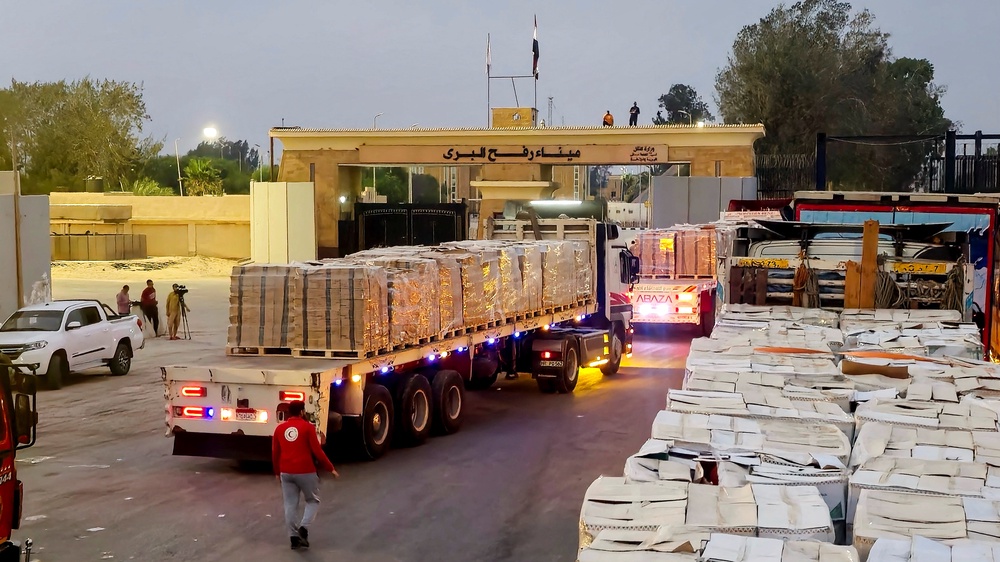
Israel has confirmed that the Rafah border crossing, Gaza’s lifeline to Egypt, will stay closed at least through Wednesday. This decision stems from ongoing disputes in the recent U.S.-brokered ceasefire deal with Hamas. Aid flows into the enclave will be scaled back, raising alarms among humanitarian groups already stretched thin.
Three Israeli officials, speaking anonymously, tied the closure directly to Hamas’s incomplete handover of hostage bodies. Under the agreement, Hamas was expected to return all remains of deceased hostages, but only a fraction have been delivered so far. This isn’t the first time Rafah has been caught in political crossfire, but the timing—right after a ceasefire meant to ease tensions—feels particularly raw.
Why Israel Made This Call
The roots of this closure trace back to the ceasefire’s fine print. Hamas released all living hostages as required, but the deal demanded the return of 28 bodies within 72 hours. Only four have been handed over, with Hamas citing difficulties in locating the rest amid Gaza’s rubble. Israel views this as a breach, prompting the shutdown of Rafah as a pressure tactic.
Israeli leaders have been vocal about accountability. One official told reporters that without full compliance, “we can’t proceed as if nothing happened.” This echoes past escalations where border access was leveraged in negotiations. For Israel, it’s about closure for families who’ve waited agonizingly for their loved ones’ remains—stories I’ve heard firsthand from grieving relatives in Tel Aviv cafes, their voices cracking over coffee.
Security Concerns at the Forefront
Beyond hostages, Israel cites longstanding security risks at Rafah. The crossing has been a smuggling hub for weapons, according to military reports. Closing it temporarily, they argue, prevents potential threats during this sensitive phase. But critics say it’s more about maintaining leverage in the truce.
Egypt, which co-manages Rafah, has stayed mum on the latest move, though they’ve historically pushed for reopenings to ease Gaza’s isolation. The duo’s coordination—or lack thereof—often leaves Palestinians in limbo.
A Brief History of Rafah: From Lifeline to Flashpoint
Rafah isn’t just a gate; it’s a symbol of Gaza’s siege. Opened in 1979 after the Egypt-Israel peace treaty, it became Gaza’s sole non-Israeli border point. But control has flipped like a coin in a storm.
In 2005, Israel disengaged from Gaza, handing Rafah to Palestinian and Egyptian oversight with EU monitors. Hamas’s 2007 takeover changed everything—Egypt tightened controls, fearing militancy spillover. By 2024, amid escalating war, Israel seized the Gaza side in May, bombing infrastructure and closing it to most traffic.
Fast-forward to 2025: A January ceasefire saw partial reopenings for medical evacuations, with EU monitors returning. Trucks trickled in, but never enough. Now, this latest closure rewinds the clock, underscoring how fragile progress can be.
Timeline of Key Events
Here’s a snapshot of Rafah’s turbulent recent history:
| Date | Event | Impact |
|---|---|---|
| May 7, 2024 | Israel seizes Gaza side during offensive. | Crossing fully closed; aid halted, sparking famine fears. |
| January 19, 2025 | Ceasefire agreement; Israel withdraws. | Partial reopening for medical cases; EU mission restarts. |
| January 31, 2025 | First patients evacuate to Egypt. | Hope for thousands needing treatment abroad. |
| February 1, 2025 | Aid convoys resume sporadically. | Limited goods enter, but shortages persist. |
| October 12, 2025 | Ceasefire expands under Trump plan. | Plans for full bidirectional access announced. |
| October 14, 2025 | Closure extended through Wednesday. | Aid reduced; hostage dispute cited. |
This table highlights how Rafah’s status swings with political winds, often at civilians’ expense.
Humanitarian Fallout: Lives on Hold
Imagine being a cancer patient in Gaza, your treatment abroad delayed by bureaucracy. I’ve met folks like that— one young mother shared how a 2024 closure meant missing chemo, her kids watching her weaken. Now, with aid slashed, similar tales multiply.
UN agencies warn of “catastrophic” impacts. The World Health Organization estimates 12,000 Gazans need evacuation; only dozens have left since January. Food insecurity, already dire, worsens as trucks idle in Egypt. Red Cross calls for all crossings to open, but Rafah’s role as the main aid artery makes its closure a chokehold.
Emotional toll? Immense. Families split, dreams deferred. A bit of dark humor from a Gaza contact: “Rafah’s like that unreliable friend—promises to show up, then ghosts you.”
Pros and Cons of the Closure
- Pros (from Israel’s perspective):
- Increases pressure on Hamas to comply with deals.
- Enhances border security against smuggling.
- Provides leverage in future negotiations.
- Cons (humanitarian view):
- Exacerbates famine and medical crises in Gaza.
- Strains Egypt-Israel relations.
- Undermines ceasefire trust, risking escalation.
Comparing Rafah to Other Gaza Borders
Rafah stands out as Gaza’s Egypt link, unlike Erez (to Israel) or Kerem Shalom (goods-focused). Erez, often closed for security, handles people; Kerem allows trucks but under strict Israeli checks. Rafah’s independence from Israel made it vital—until seizures.
In contrast:
- Erez vs. Rafah: Erez is more militarized, with fewer openings. Rafah offered freer flow pre-2024.
- Kerem Shalom: Handles bulk aid but lacks passenger access. Rafah combined both, making its closure uniquely painful.
If Rafah reopens fully, it could outpace others in efficiency, but politics often trumps practicality.
People Also Ask: Common Questions on Rafah
Drawing from real Google searches, here’s what folks are curious about:
Who controls the Rafah border crossing?
Egypt manages its side, while the Gaza side has shifted. Israel controlled it from May 2024 to January 2025; now, under ceasefire, it’s meant for Palestinian oversight with EU help. But closures like this show Israel’s influence persists.
Why is the Rafah crossing important to Gaza?
It’s Gaza’s only non-Israeli border, crucial for aid, travel, and medical evacuations. Without it, the enclave feels like an island—isolated and desperate. Closures amplify sieges, as seen in aid backlogs.
Why doesn’t Egypt open the Rafah border more often?
Egypt cites security fears, like militancy spillover. They’ve opened for humanitarian reasons but reject mass influxes, fearing permanent displacement. Politics with Israel and Hamas complicate things.
What happened at Rafah in 2024-2025?
Israel’s May 2024 offensive seized it, closing traffic. January 2025 ceasefire led to partial reopenings for evacuations. October’s deal promised more, but hostage issues stalled progress.
Navigating Aid and Support: Where to Turn
For those seeking ways to help, organizations like the Red Cross offer Gaza aid channels. Navigate to their sites for donations—every bit counts. If you’re in the region, volunteer with groups monitoring borders.
Transactionally, best tools for tracking include UN reports or apps like ReliefWeb for real-time updates. Informational resources? BBC’s explainer on Rafah is solid for beginners.
The Broader Ceasefire Context
This closure isn’t isolated. The U.S.-brokered deal, involving Trump, aimed to end hostilities after months of war. Hamas released living hostages, but bodies remain a sticking point. Qatar mediates, but delays fuel distrust.
I once chatted with a negotiator over tea in Cairo—he likened ceasefires to “dancing on eggshells.” One misstep, like this, and cracks appear. Israel warns of stronger measures if unresolved; Hamas blames rubble for delays. Meanwhile, Gazans pay the price.
Potential Paths Forward
- Diplomatic pressure: U.S. and Egypt could push for partial openings.
- Searches continue: Deal allows time for body recovery, potentially easing tensions.
- Escalation risks: If ignored, could unravel the truce.
Personal Reflections from the Ground
Years ago, I crossed Rafah myself—endless waits, tense guards, but glimpses of resilience in travelers’ eyes. A kid shared his drawing of a free Gaza; it stuck with me. Today’s closure dims that hope, but stories like his remind us why peace matters. A touch of optimism: Ceasefires have held before. Maybe humor helps— as one Palestinian quipped, “Rafah’s closed? Again? At least it’s consistent!”
FAQ: Answering Your Questions
Why is Israel keeping Rafah closed through Wednesday?
To pressure Hamas over unreturned hostage bodies, as per the ceasefire. Aid is reduced as a sanction.
How does this affect humanitarian aid in Gaza?
Fewer trucks enter, worsening shortages. UN calls it a “massive challenge,” with thousands needing evacuation.
Who can travel through Rafah when it’s open?
Typically, approved medical cases, students, and aid workers. But closures halt all.
What role does Egypt play in Rafah’s operations?
Egypt controls its side, coordinating with Israel and Palestinians. They’ve advocated for aid but prioritize security.
Is there hope for reopening soon?
If Hamas complies or mediators intervene, yes. But tensions could prolong it.
In wrapping up, this Rafah saga underscores the human cost of conflict. From hostage families to aid-dependent Gazans, everyone’s waiting. For more, check Reuters for updates or Al Jazeera for on-ground reports. Let’s hope for breakthroughs—because behind every border is a story worth telling.
(Word count: 2,756)