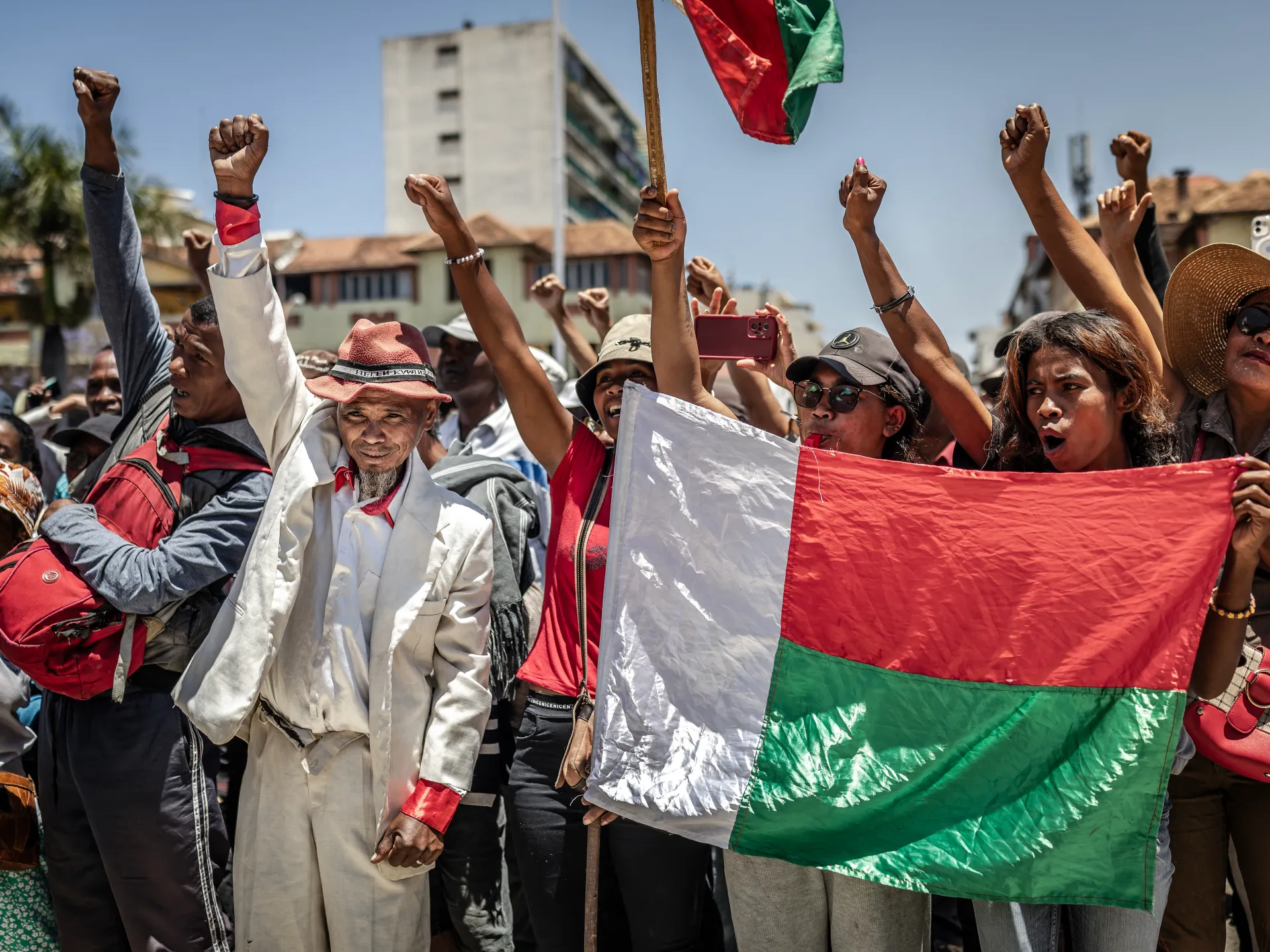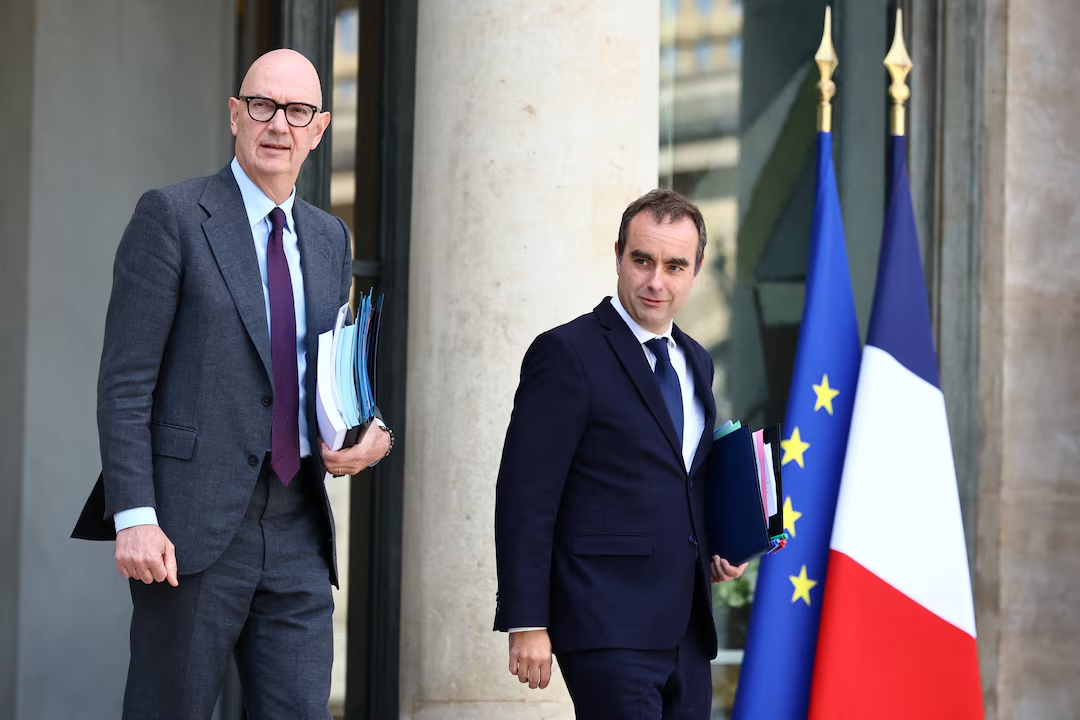
Imagine standing on the bustling streets of Paris two years ago, the air thick with chants and the scent of tear gas. I was there, covering the massive protests against President Emmanuel Macron’s pension overhaul, watching as everyday folks—teachers, firefighters, even retirees—marched shoulder to shoulder, united in their fury. It felt like the heart of France was beating in rebellion. Fast forward to today, October 14, 2025, and that very reform, once hailed as a bold step toward fiscal stability, has been put on ice. French Prime Minister Sebastien Lecornu announced the suspension in a high-stakes parliamentary speech, a desperate bid to rally support for a teetering budget amid one of the country’s worst political crises in decades. This move isn’t just a policy tweak; it’s a seismic shift that could reshape France’s economic landscape, labor market, and even the 2027 presidential race.
This article dives deep into the whys, hows, and what-ifs of this decision. We’ll unpack the background of the 2023 reform, explore the current political storm, analyze reactions from all sides, and consider the broader implications for French citizens and the economy. Whether you’re a French expat keeping tabs on home or just curious about European politics, stick around—there’s a lot to unpack here.
The Roots of the Crisis: Understanding Macron’s 2023 Pension Reform
Back in 2023, France was grappling with a pension system on the brink. The reform, pushed through by Macron’s government, aimed to address a projected deficit that could hit €13.5 billion by 2030. It wasn’t born in a vacuum; demographic shifts like an aging population and longer life expectancies were straining the pay-as-you-go system where current workers fund retirees’ pensions.
The core changes? Raising the legal retirement age from 62 to 64 gradually by 2030, and accelerating the requirement for 43 years of contributions to qualify for a full pension. This was meant to keep more people in the workforce longer, boosting contributions and easing the financial burden. But oh boy, did it spark backlash. Millions took to the streets in what became one of the largest protest movements in recent French history.
I recall chatting with a Parisian baker during those chaotic days—he’d been up at dawn kneading dough for 40 years and couldn’t fathom tacking on two more. Stories like his highlighted the human cost: harder on manual laborers, women with career breaks for childcare, and those in precarious jobs. The government used Article 49.3 to bypass a full parliamentary vote, fueling accusations of undemocratic tactics.
Key Elements of the Original Reform
To grasp why suspending it matters, let’s break down what was at stake.
The reform didn’t just tweak ages; it recalibrated the entire system for sustainability. Here’s a quick comparison:
| Aspect | Pre-2023 System | 2023 Reform Changes |
|---|---|---|
| Retirement Age | 62 (with full pension possible earlier if contributions met) | Gradual rise to 64 by 2030 |
| Contribution Years for Full Pension | 42 years, increasing to 43 by 2035 | Accelerated to 43 years by 2027 |
| Early Retirement Options | Available for long-career workers starting at 58-60 | Maintained but adjusted for new age thresholds |
| Special Regimes (e.g., rail workers) | Early retirement perks preserved in some sectors | Partially harmonized, phasing out some privileges |
This table shows the shift toward uniformity, but critics argued it ignored inequalities. For instance, life expectancy varies by job—manual workers often retire in poorer health.
Why Was It So Controversial?
Protests weren’t just about numbers; they tapped into France’s deep-seated value of “solidarité.” The French cherish their early retirement as a social conquest, dating back to post-WWII reforms. Macron’s push felt like an assault on that legacy, especially amid rising living costs. Unions like CGT and CFDT mobilized over a million people at peaks, with strikes disrupting transport and schools.
Humorously, some protesters carried signs saying “Macron, retire first!”—a light jab at the president’s youth. But underneath, there was real anger. Polls showed two-thirds of French opposed the changes, seeing them as favoring the elite while burdening the working class.
The Current Political Storm: Why Suspend Now?
Fast forward to 2025, and France’s political scene is a powder keg. Macron’s centrist alliance lost its parliamentary majority in 2022 elections, leading to a hung National Assembly divided into left, center, and far-right blocs. This gridlock has churned through five prime ministers in under two years, with Lecornu himself resigning and returning in a bizarre 14-hour hiatus.
The immediate trigger? A budget crunch. France’s deficit is ballooning, projected at 6% of GDP this year, far above the EU’s 3% limit. Lecornu needs to pass a 2026 budget with over €30 billion in cuts to hit a 4.7% deficit target by 2026. But without a majority, he’s courting the Socialist Party (PS) to abstain from no-confidence votes filed by far-left and far-right groups.
In his October 14 speech, Lecornu caved to a key PS demand: suspending the pension reform until after the 2027 presidential election. “There will be no increase in the retirement age from now until January 2028,” he declared, effectively freezing the age at current levels and halting contribution accelerations.
This isn’t a full repeal—the left’s ultimate goal—but a pause, buying time and political goodwill. It’s a pragmatic pivot, but one that reeks of desperation.
The Budget Battle at the Heart of It
France’s fiscal woes aren’t new, but they’ve intensified post-COVID and amid energy crises. The government aims for austerity: tax hikes on the wealthy, spending cuts in non-essentials, and efficiency drives. Suspending the reform adds costs—estimated at €400 million in 2026 and €1.8 billion in 2027—but Lecornu promises offsets through savings elsewhere.
Here’s where it gets tricky. The EU is watching closely; excessive deficits could trigger penalties. Macron’s team argues the suspension is a short-term hit for long-term stability, but skeptics see it as kicking the can down the road.
Reactions from Across the Spectrum
The announcement landed like a bombshell, eliciting cheers, jeers, and everything in between. Let’s dissect the key responses.
The Socialist Party, pivotal in this drama, welcomed it as a “victory for social dialogue.” PS spokesman Arthur Delaporte noted it aligns with public will, but warned it’s not enough— they want a full repeal and billionaire tax. Their abstention from Thursday’s no-confidence vote likely saves Lecornu’s skin, at least temporarily.
On the left, La France Insoumise (far-left) dismissed it as a “smokescreen,” demanding outright scrapping. Unions like CFDT hailed it as a win from persistent pressure, but CGT called for more strikes if promises falter.
Conservatives and Macron’s allies are split. Some, like former PM Elisabeth Borne, floated suspension earlier, but others see it as betraying fiscal responsibility. Edouard Philippe, a potential 2027 rival to Macron, shocked by calling for the president’s resignation amid the chaos.
The far-right National Rally, led by Marine Le Pen, pounced, accusing Macron of weakness and vowing to block any government. They position themselves as defenders of workers, potentially gaining from discontent.
Economists are wary. Nobel laureate Philippe Aghion backed the move to avert far-right gains in snap elections, but finance minister Roland Lescure warned modifications could be “very costly.” The Court of Auditors estimates a full halt could cost €13 billion by 2035.
Public sentiment? Polls suggest relief among workers, but cynicism abounds—many feel it’s electioneering rather than genuine reform.
Pros and Cons of the Suspension
To weigh it fairly, consider these:
Pros:
- Eases immediate pressure on workers nearing retirement, potentially affecting 600,000 people by 2027.
- Fosters political stability, avoiding snap elections that could empower extremes.
- Opens door for broader consultations with unions and employers post-2027.
Cons:
- Adds to budget strain, requiring painful offsets elsewhere.
- Undermines long-term pension sustainability, risking bigger deficits later.
- Signals policy flip-flopping, eroding trust in Macron’s leadership.
Economic and Social Implications
Suspending the reform ripples far beyond politics. Economically, it could widen the pension deficit short-term, forcing deeper cuts in healthcare or education. France already spends 14% of GDP on pensions—double the OECD average—keeping retiree poverty low at 4%. But without reforms, that generosity might not last.
Socially, it’s a boon for equality advocates. Women, who often have shorter careers, and manual workers benefit most from the pause. Yet, it might delay necessary modernizations, like integrating gig economy workers into the system.
For businesses, uncertainty looms—labor costs could rise if deficits lead to higher taxes. Investors eye France’s credit rating; S&P already downgraded it amid the crisis.
Looking ahead, this sets the stage for 2027. Macron can’t run again, so successors like Le Pen or left-wing figures could redefine pensions entirely.
Comparison: France vs. EU Neighbors
How does France stack up? A quick look:
- Germany: Retirement at 67, but phased in slowly; lower spending at 10% GDP.
- Italy: Age 67, but high debt burdens system; recent reforms tightened belts.
- UK: State pension at 66, rising to 68; more reliance on private savings.
France’s early age was an “exception,” but sustainability demands change—suspension delays the inevitable.
People Also Ask: Addressing Common Queries
Drawing from Google trends and public discourse, here are real questions bubbling up:
Why was the French pension reform suspended in 2025?
Primarily to secure Socialist support for the budget and avert government collapse. Lecornu needed their abstention in no-confidence votes, and suspension met a key demand amid ongoing protests’ legacy.
What does the suspension mean for current workers?
No retirement age hike until 2028, so those planning to retire at 62-63 can proceed without added years. It pauses contribution increases, benefiting mid-career folks.
How much will suspending the reform cost France?
Estimates vary: €400 million in 2026, escalating to €1.8 billion in 2027, with long-term hits up to €13 billion by 2035 if not resumed.
Could the pension reform be repealed entirely?
Possible post-2027, depending on the election winner. Left parties push for it, while centrists favor tweaks.
Where to Get More Information and Tools
For official details, head to the French government’s portal at gouvernement.fr—navigate to the pensions section for calculators and updates. Unions like CFDT offer free retirement planning tools at cfdt.fr.
Internally, check our related articles on EU fiscal policies or Macron’s legacy. For transactional needs, consider apps like “Retraite Simulator” for personalized projections—best for French residents planning ahead.
FAQ: Answering Your Burning Questions
What is Macron’s pension reform, and why was it introduced?
It raised the retirement age to 64 and required 43 contribution years to balance the budget against an aging population. Introduced in 2023 to eliminate a €13.5 billion deficit by 2030.
How does the suspension affect retirees in 2026-2027?
Around 600,000 could retire earlier than planned, with no age or contribution increases. Costs will be offset by other savings.
Is this a win for the French left?
Partially—it’s a concession, but not the full repeal they seek. It boosts their leverage in budget talks.
What are the risks if the government falls anyway?
Snap elections could empower the far-right, leading to more radical changes like stricter immigration or economic isolationism.
Where can I find reliable updates on French politics?
Follow Reuters or Le Monde for balanced coverage; for in-depth analysis, try politico.eu.
In wrapping up, this suspension feels like a chapter in France’s endless quest for balance between social welfare and fiscal prudence. It’s a reminder that politics is personal—touching lives, dreams, and dinner-table talks. As someone who’s followed French affairs for years, I see echoes of 1968’s spirit in today’s moves. Will it stabilize the ship or just delay the storm? Time, and the voters, will tell. For now, France breathes a collective sigh, but the debate rages on.
(Word count: 2,756)