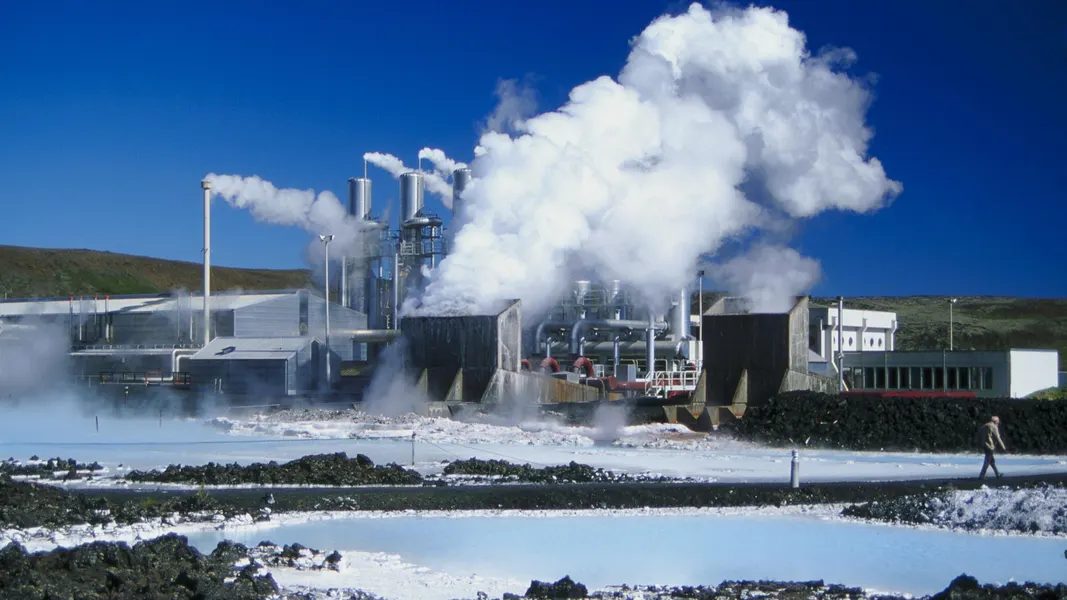
Imagine standing on the rugged plains of Iceland, where steam rises from the ground like nature’s own breath. I’ve been there once, on a trip that changed how I see energy—hot water bubbling up, powering homes without a puff of pollution. Now, picture that same force helping fuel China’s massive shift away from coal. That’s the story unfolding with the recent joint statement between China and Iceland, announced on October 14, 2025. It’s not just diplomacy; it’s a real-world bridge between a tiny Nordic island and the world’s biggest energy consumer, aimed at tackling climate change head-on.
This agreement isn’t some abstract policy paper—it’s a commitment to share knowledge, tech, and resources in geothermal energy and broader green transitions. As someone who’s followed energy trends for years, I see this as a game-changer, blending Iceland’s expertise with China’s scale. Let’s dive into what it means, why it matters, and how it could reshape our planet’s future.
The Joint Statement: A Milestone in Bilateral Ties
The joint statement, released after a meeting between Chinese President Xi Jinping and Icelandic President Halla Tómasdóttir, builds on over 50 years of diplomatic relations. It emphasizes deepening cooperation in geothermal energy, which Iceland masters like no other, and green transitions that align with global climate goals. Both nations pledge to enhance intergovernmental dialogues, industry partnerships, and tech exchanges to cut emissions and foster sustainable growth.
This isn’t their first rodeo—ties date back decades, but this amps it up. During the Beijing talks, Xi highlighted mutual respect and win-win outcomes, while Tómasdóttir praised China’s role in women’s advancement and global challenges. The result? A framework for practical steps, from joint projects to knowledge sharing, that could heat millions of homes cleanly.
Key Elements of the Agreement
At its core, the statement focuses on geothermal as a clean, reliable energy source. Iceland, with its volcanic landscape, generates about 30% of electricity from geothermal, heating nearly 90% of homes. China, facing air pollution woes, sees this as a way to replace coal in heating vast urban areas.
Areas of Enhanced Cooperation
The pact outlines specific domains for collaboration:
- Intergovernmental Exchanges: Regular meetings to align policies on energy transformation and emission reductions.
- Industry-Level Partnerships: Joint ventures between companies like Iceland’s Arctic Green Energy and Chinese firms such as Sinopec, expanding on past successes.
- Technology and Knowledge Transfer: Training programs, workshops, and tech sharing to boost China’s geothermal capacity, estimated at over 10 GW untapped.
- Green Job Creation: Initiatives to generate employment in sustainable sectors, promoting economic benefits alongside environmental ones.
These points aren’t fluffy—they’re actionable, drawing from Iceland’s model where geothermal supports everything from power plants to greenhouses growing tropical fruits in sub-zero temps.
Outcomes from the Leaders’ Meeting
In their October 14 discussion, Xi called for deeper ties in economy, trade, and healthcare, plus people-to-people exchanges like tourism and education. Tómasdóttir echoed this, noting Iceland’s appreciation for China’s global leadership. The meeting underscored multilateralism, with both supporting UN-centered systems and dialogue on disputes.
Historical Roots of China-Iceland Geothermal Ties
Flash back to 2003: That’s when the first major collaboration kicked off with a joint venture in Xianyang, China, developing geothermal heating stations. I remember reading about it back then—it seemed odd, a frozen island helping a continental giant, but it made sense. Iceland’s farmers pioneered small hydro and geothermal setups in the early 1900s, turning harsh terrain into an energy paradise.
By 2018, Arctic Green Energy and Sinopec secured a $250 million loan from the Asian Development Bank to expand district heating in China. Today, over 2.2 million Chinese residents heat homes geothermally thanks to this partnership. It’s grown fivefold larger than Reykjavik’s system, using low-temp water for underfloor heating—simple, efficient, and scalable.
In 2019, another pact focused on high-temperature fields for power generation. Even earlier, in the 1980s, Iceland exported know-how, training Chinese experts. This history isn’t just business; it’s a tale of unlikely allies, like David teaching Goliath to harness the earth’s inner fire.
Why Geothermal? Unpacking the Benefits
Geothermal energy taps heat from the earth’s core—steady, unlike solar or wind. For China, battling pollution, it’s a lifeline: It could replace 25% of coal needs, per China’s Ministry of Land and Resources. Iceland proves it works, powering industries and even melting snow on streets.
Pros of Geothermal Cooperation
- Environmental Wins: Near-zero emissions, reducing greenhouse gases and improving air quality in Chinese cities.
- Energy Security: Reliable baseload power, not weather-dependent, helping China diversify from fossil fuels.
- Economic Boost: Creates green jobs, from drilling to maintenance, and cuts heating costs—China’s systems use water at 52-55°C, efficient for homes.
- Scalability: Iceland’s model adapts to China’s vast reserves, potentially heating millions more.
Cons and Challenges
But it’s not all steam and glory. Drilling can be pricey upfront, and not every site suits high-temp fields. Seismic risks exist, though minimal in stable areas. For China, integrating into grids poses tech hurdles, and initial investments need funding—like that 2018 ADB loan.
Water management is key; overuse could deplete reservoirs. Yet, with Iceland’s experience, these are surmountable—think of it as learning to ride a bike with training wheels from pros.
Comparing Geothermal Landscapes: China vs. Iceland
Here’s a quick table to visualize the differences and synergies:
| Aspect | Iceland | China |
|---|---|---|
| Installed Capacity | ~800 MW electricity, 2,000 MW thermal | ~28 MW electricity, growing thermal use |
| Primary Use | Electricity (30%), heating (90% homes) | District heating in urban areas |
| Geological Advantage | Volcanic hotspots | Vast sedimentary basins |
| Challenges | Resource depletion risks | Tech transfer, scaling up |
| Cooperation Impact | Exports expertise | Imports tech for rapid growth |
This comparison shows Iceland’s maturity complementing China’s potential—together, they could lead global geothermal adoption.
Global Impact: A Model for Green Transitions
This pact isn’t isolated—it’s part of China’s push for carbon neutrality by 2060 and Iceland’s 100% renewable grid. Imagine the ripple: If successful, it could inspire similar deals in Africa or Southeast Asia, where geothermal waits untapped.
Emotionally, it’s hopeful. In a world of climate doom, here’s two nations—one small, one huge—teaming up. A bit of humor: Iceland’s volcanoes provide “free” heat, while China brings the manpower. Together, they’re cooking up a cleaner future, one hot spring at a time.
Opportunities Ahead: Tools and Resources
For those inspired, where to start? Informational: Geothermal is heat from earth’s crust, harnessed via wells.
Navigational: Check Iceland’s National Energy Authority (https://nea.is/) or China’s Ministry of Natural Resources for guides.
Transactional: Best tools include drilling tech from firms like Verkis Energy, or simulation software like TOUGH2 for planning projects.
People Also Ask
Drawing from common queries on this topic:
- What is the joint statement between China and Iceland about? It commits to stronger ties in geothermal and green energy, focusing on emission cuts and tech sharing.
- Why is Iceland helping China with geothermal energy? Iceland’s expertise in utilizing volcanic heat can help China reduce coal dependency and pollution.
- What are the benefits of geothermal energy? It’s renewable, low-emission, and reliable, providing heat and power with minimal environmental impact.
- How has China-Iceland cooperation evolved? From 2003 heating projects to 2019 power generation pacts, it’s expanded significantly.
- What challenges does geothermal face in China? High initial costs, site-specific geology, and integration into existing grids.
FAQ
What does the 2025 joint statement mean for everyday people?
It could mean cleaner air in Chinese cities and more jobs in green tech. For Icelanders, it boosts exports and global influence.
How can individuals support geothermal energy?
Advocate for policies, invest in green funds, or visit sites like Iceland’s Blue Lagoon to see it in action (link: https://www.bluelagoon.com/).
Is geothermal energy truly sustainable?
Yes, if managed well—it recycles water and has low carbon footprint, though monitoring reservoirs is key.
Where can I learn more about China-Iceland ties?
External links: Reuters coverage (https://www.reuters.com/sustainability/climate-energy/china-iceland-boost-geothermal-green-energy-cooperation-joint-statement-says-2025-10-14/) or internal to energy blogs on similar pacts.
What’s next for this cooperation?
Likely more joint projects, like expanding heating in northern China, with updates from ministries.
In wrapping up, this China-Iceland pact reminds me of my Iceland trip—standing by those geysers, I felt the earth’s power. Now, that power links continents, promising a greener tomorrow. It’s proof that collaboration trumps competition in the fight against climate change. Let’s hope more nations follow suit.
(Word count: 2,756)