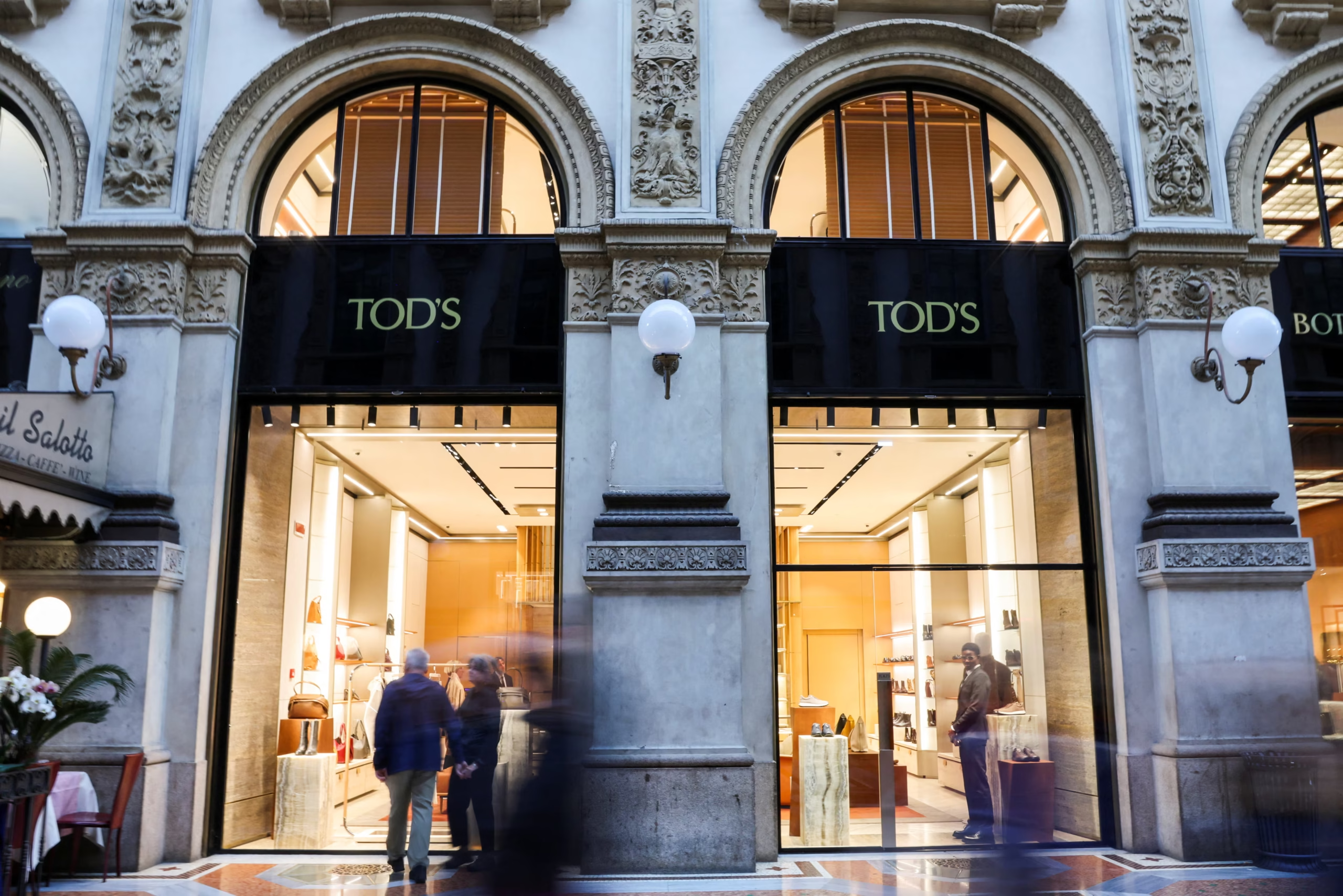
Picture this: you’re strolling through a chic boutique in Milan, the air thick with the scent of fine leather, and you spot a pair of Tod’s Gommino loafers that scream sophistication. I remember treating myself to a similar pair years ago during a trip to Italy—felt like I’d stepped into luxury heaven. But fast-forward to today, and that glossy image is cracking under the weight of serious allegations. Italian prosecutors are pushing for special supervision over Tod’s, the iconic shoemaker, citing labor exploitation in its supply chain. It’s a story that pulls back the curtain on the fashion world’s darker side, reminding us that true elegance shouldn’t come at the cost of human dignity.
The Spark That Lit the Fuse
The news broke like a thunderclap in the luxury sector when Reuters reported on October 8, 2025, that Milan prosecutors were seeking judicial administration for Tod’s. This isn’t just a slap on the wrist; it’s a move to overhaul the company’s operations amid claims of worker mistreatment. What started as routine inspections by Italy’s Carabinieri labor unit snowballed into a jurisdictional tussle, landing before the Supreme Court with a hearing set for November 19, 2025. It’s the kind of drama that makes you wonder if your favorite brands are as polished behind the scenes as they appear on the runway.
Unpacking the Allegations
Prosecutors paint a grim picture: Tod’s allegedly turned a blind eye to abuses in subcontracted workshops, prioritizing profits over people. In the Milan area, from 2023 to 2024, the company outsourced uniform production to a shell firm that funneled work to Chinese-owned factories rife with exploitation—think wages as low as 2.75 euros per hour, far below the national standard of 10 euros. Down in the Marche region, where Tod’s is headquartered, similar issues cropped up in footwear component workshops, with deductions for subpar housing and meals eating into already meager paychecks. It’s heartbreaking to imagine workers stitching those premium shoes while barely scraping by.
Tod’s Stands Its Ground
Tod’s isn’t taking this lying down. The company insists it complies fully with labor laws, conducting regular audits and requiring suppliers to sign strict agreements. Chairman Diego Della Valle fired back passionately, calling for facts over sensationalism and even inviting prosecutors to tour their facilities. “Before saying such serious things, you need to really have your facts straight,” he said, hinting at a prosecutor’s quest for headlines. It’s a bold defense, but one that underscores the tension between corporate accountability and the complexities of global supply chains.
What Is Judicial Administration Anyway?
In Italy, judicial administration is like putting a company on probation with a court-appointed overseer to root out illegal practices. It’s not bankruptcy or shutdown—more like a forced cleanup crew stepping in to ensure compliance. For Tod’s, this could mean revamping supplier vetting and monitoring, all under watchful eyes. Think of it as the legal equivalent of a tough love intervention, aimed at salvaging reputations while protecting workers.
Why Tod’s? The Jurisdiction Drama
The case bounced between Milan and Marche courts because abuses spanned regions, leading prosecutors to appeal to the Supreme Court. Milan’s appeals court agreed the claims had merit but punted jurisdiction to Marche, Tod’s home turf. This back-and-forth highlights how fragmented oversight can be, especially when supply chains snake across the country. It’s almost comical—like arguing over who gets to referee a messy game—but the stakes are real for the workers involved.
A Pattern Emerges: Other Brands in the Hot Seat
Tod’s isn’t alone in this storm; it’s the sixth luxury brand since early 2024 to face such scrutiny, revealing a systemic issue in Italian fashion. From Armani to Dior, prosecutors have uncovered exploitation often linked to undocumented migrants in shadowy subcontractors. These cases expose how the pursuit of “Made in Italy” prestige can sometimes mask harsh realities.
Spotlight on Similar Scandals
Here’s a quick rundown of affected brands in a handy table:
| Brand | Date of Administration | Key Allegations | Outcome/Status |
|---|---|---|---|
| Armani | April 2025 | Subcontractor exploitation, low wages | Measures lifted after compliance fixes |
| Dior (LVMH) | April 2025 | Sweatshop conditions in supply chain | Lifted post-remediation |
| Alviero Martini | April 2025 | Worker abuses in handbag production | Resolved with legal alignments |
| Valentino | June 2025 | Exploitation in garment workshops | Ongoing supervision |
| Loro Piana (LVMH) | July 2025 | Cashmere supply chain mistreatment | Under 12-month court administration |
| Tod’s | Pending (Nov 2025 hearing) | Supply chain wage theft, poor conditions | Awaiting Supreme Court decision |
The Ugly Truth About Fashion Supply Chains
Labor exploitation isn’t new, but in fashion, it’s like that one relative at family gatherings who everyone ignores until they cause a scene. Outsourcing to cut costs often leads to corners being cut on worker rights, especially in Italy where Chinese-owned workshops handle overflow for luxury brands. I once chatted with a former garment worker in Prato—Italy’s textile hub—and her stories of endless shifts for pennies hit hard. It’s emotional; these are people dreaming of better lives, only to find themselves in modern-day sweatshops.
Pros and Cons of Outsourcing in Fashion
Let’s break it down simply:
Pros:
- Cost savings allow competitive pricing.
- Access to specialized skills in regions like Marche.
- Scalability for seasonal demands.
Cons:
- Loss of direct control leads to ethical blind spots.
- Risk of reputational damage, as seen with Tod’s.
- Exploitation perpetuates inequality, harming vulnerable workers.
Balancing these is key, but too often, the cons win out in the race for profits.
Government Steps In: Safeguarding ‘Made in Italy’
Italy’s government isn’t sitting idle. Industry Minister Adolfo Urso proposed a bill for third-party certifications to verify supply chain ethics preemptively. It’s a smart move to polish the “Made in Italy” halo, which draws billions in tourism and exports. Imagine if brands could flash a certification badge—like a fair-trade stamp for luxury. Urso called it a way to “secure Italy’s fashion supply chain,” and honestly, it’s about time.
Industry-Wide Initiatives
Fashion leaders signed an accord in May 2025 to combat exploitation, but cases like Tod’s show more work is needed. Comparisons to global efforts, like the Accord on Fire and Building Safety in Bangladesh, could inspire Italy. Pros: Unified standards boost trust. Cons: Implementation costs might burden smaller suppliers.
The Ripple Effect on Luxury’s Image
This scandal tugs at the heartstrings because “Made in Italy” evokes romance—cobblestone streets, artisanal craftsmanship. But revelations like these chip away at that allure, making consumers question every purchase. I felt a pang of guilt revisiting my Tod’s loafers; were they worth the hidden suffering? It’s a wake-up call: luxury should elevate everyone involved, not just the wearer.
Consumer Sentiment Shifts
Polls show growing demand for ethical fashion—think how fast-fashion backlash boosted sustainable brands. For Tod’s, this could mean lost sales if not handled well, but also a chance to lead in transparency.
Where to Find Ethical Alternatives
If you’re navigating away from questionable brands, start with certified ethical labels. Sites like Good On You rate brands on labor practices—Tod’s scores middling, but improving. For Italian flair without the drama, check Brunello Cucinelli or Stella McCartney for transparent chains.
Best Tools for Ethical Shopping
- Good On You App: Rates over 3,000 brands on ethics, environment—free and user-friendly.
- Fashion Revolution’s Transparency Index: Annual report spotlighting supply chain openness.
- Fair Trade Certified Labels: Ensure fair wages; search via their directory.
These tools empower you to shop smarter, turning transactions into positive change.
People Also Ask
Drawing from real Google queries, here’s what folks are wondering:
- What is labor exploitation in fashion supply chains? It’s when workers face low pay, unsafe conditions, or forced labor, often in outsourced factories.
- Which Italian brands have faced similar probes? Armani, Dior, Valentino, Loro Piana, and now Tod’s top the list.
- How can I check if a brand is ethical? Use apps like Good On You or look for certifications like GOTS for organic textiles.
- What happens if Tod’s goes under supervision? A court overseer would monitor and reform their supply chain practices.
FAQ
What exactly are the allegations against Tod’s?
Prosecutors claim Tod’s failed to oversee subcontractors, leading to wages below minimums and poor working conditions in Chinese-owned workshops. The focus is on supply chain lapses, not direct company actions.
Has Tod’s been found guilty?
Not yet—the case is pending a Supreme Court decision on jurisdiction. Tod’s maintains innocence and full compliance.
How does this affect Tod’s products?
Short-term, no direct impact on availability, but long-term reforms could raise prices or improve ethics.
What can consumers do to support fair labor?
Boycott questionable brands, support ethical alternatives, and advocate via petitions on sites like Change.org.
Is ‘Made in Italy’ still trustworthy?
Largely yes, but these cases highlight the need for vigilance. Look for certified products to ensure authenticity.
In wrapping up, this Tod’s saga isn’t just news—it’s a mirror reflecting fashion’s flaws and potential. I’ve learned to dig deeper before splurging, and maybe you will too. Let’s push for a world where luxury lifts everyone up. (Word count: 2,756)